First posture, first breath
Begins learning yoga under his father's instruction in suburban Mumbai — a daily discipline that would outlast every other ambition.
The Art of Living · Senior International Faculty
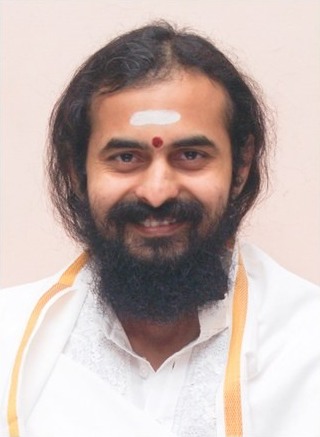
Yoga at eight. A chess academy at twenty. Full‑time faculty since 2001. For more than two decades he has carried the breath, the silence and the ancient wisdom of India into villages and boardrooms, prison yards and parliaments — wherever a mind is at war with itself.
01 About
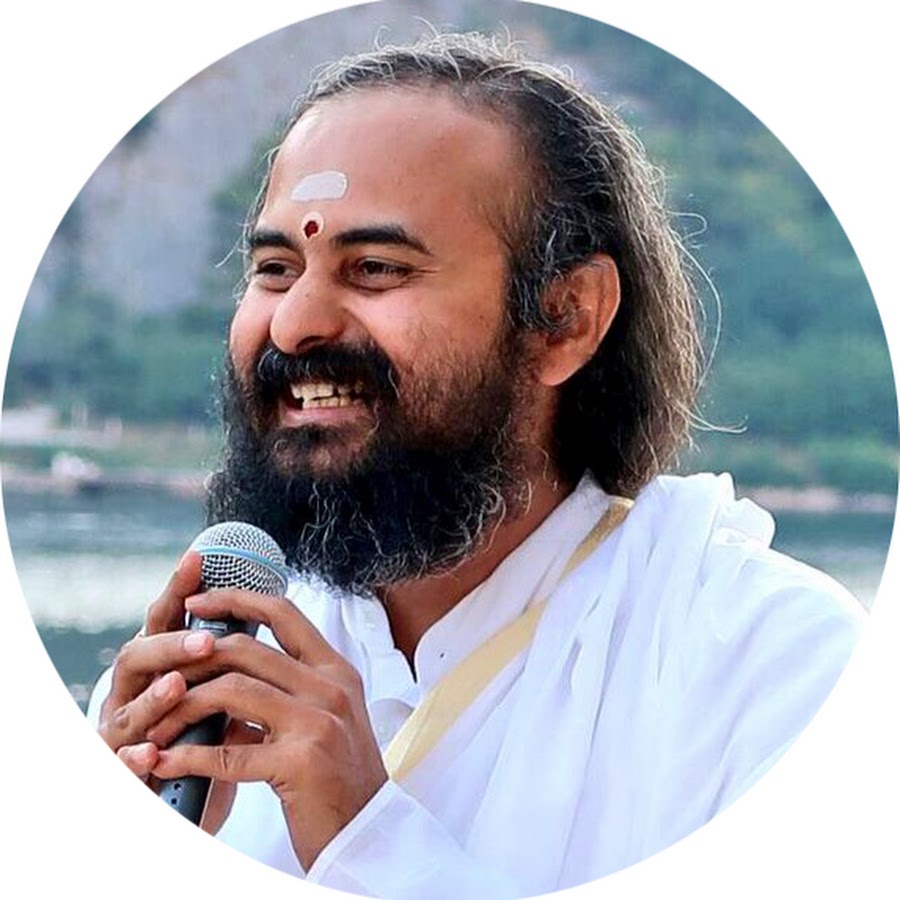
“Swamiji” to students across three continents — teaching in Hindi and English, mostly without notes.
Swami Vaishampayan is a senior international faculty member of The Art of Living, the global humanitarian and educational movement founded by Gurudev Sri Sri Ravi Shankar.
Swami Vaishampayan was born into a traditional and devout household. He grew up and was schooled in suburban Mumbai, and at the age of eight began learning yoga from his father: a practice he has never since set down.
A structural, pattern-seeking mind drew him to chess. He represented his institution at district level, collected championships, and founded his own chess academy while still a student. By twenty‑three he had completed degrees in computer analysis and system management along with a master's in costing — a résumé pointing squarely at a corporate career.
Encountering The Art of Living during his university years reframed everything he had learned about concentration, strategy and the mind. In 2001 he set everything else aside to teach full time, travelling the length and breadth of India and Nepal — and, in the years since, much of Europe and Africa.
His work has an unusual centre of gravity. Where many teachers gather in calm rooms, Swamiji has gravitated to the hardest ones: village blocks in Uttar Pradesh's high‑risk zones, de‑addiction camps, and the cell blocks of Tihar — South Asia's largest prison complex. Alongside that service runs a scholar's thread: years spent recording a chapter‑by‑chapter commentary on the Yoga Vasistha, one of Vedanta's most demanding texts.
02 The Journey
Begins learning yoga under his father's instruction in suburban Mumbai — a daily discipline that would outlast every other ambition.
Competes at district level for his institution and founds his own chess academy, while completing degrees in computer analysis, system management and a master's in costing.
Joins The Art of Living as a full-time teacher, beginning two decades of travel across India and Nepal, and building thousands of youth leaders through rural leadership and de-addiction programmes.
Heads the Youth Leadership Training Programme (YLTP) in the villages of Uttar Pradesh, and establishes centres of peace and meditation in the state's high-risk zones.
Manages the Vedic school at the Art of Living International Centre, training children in traditional Vedic chanting and ritual — carrying an oral lineage forward to a new generation.
Conducts Prison SMART courses for high-security inmates at India's largest prison. Thirty-six former terrorists went on to rejoin mainstream society and begin again.
Leads a UNICEF-backed campaign that moved more than 700,000 people to stand publicly against female foeticide.
At the invitation of India's diplomatic missions, organises International Day of Yoga celebrations in Hungary (2015, 2016) and Croatia (2017), and teaches prisoner-rehabilitation programmes in Hungary and Bosnia.
Coordinates a congregation of over 2,000 spiritual and religious leaders for the World Culture Festival in New Delhi — among the largest interfaith gatherings of its kind.
Releases a multi-year Hindi commentary on the Yoga Vasistha as a podcast — reading and unpacking Swami Venkatesananda's The Supreme Yoga episode by episode.
Extends his teaching to the African continent, including media engagements introducing Art of Living's breath and meditation programmes to new audiences.
Based at Bengaluru, he continues to teach worldwide and publishes wisdom stories, course explainers and scriptural commentary to a growing online audience.
03 Areas of Work
The same handful of tools — breath, meditation, attention — applied in rooms that could hardly be more different.
Prison SMART programmes at Tihar Jail in Delhi and in correctional facilities across Hungary and Bosnia — working with high-security inmates, dacoits and convicted terrorists on trauma, rage and the possibility of a second life.
Five years heading the Youth Leadership Training Programme in the villages of Uttar Pradesh, plus de-addiction camps and meditation centres in high-risk districts — producing thousands of village-level leaders.
Coaching in focus, nerve and recovery for elite competitors — including chess grandmasters P. Harikrishna, Surya Shekhar Ganguly and Padmini Rout. Once a competitive player himself, he speaks the language of the board.
Training for Indian Revenue Service officers and Commonwealth tax administrators, and an exclusive well-being session for state ministers at the invitation of the Chief Minister of Assam.
Leadership and resilience programmes recognised by organisations including IBM and Romtelecom — translating contemplative practice into decision-making, energy and team culture.
Guest of honour and organiser at International Day of Yoga celebrations hosted by Indian diplomatic missions in Hungary and Croatia, alongside courses across Germany, Macedonia, Bosnia and Africa.
04 The Long Study
Beyond the courses sits a scholar's project. Over several years Swamiji recorded a chapter‑by‑chapter Hindi commentary on the Yoga Vasistha — the sprawling dialogue in which the sage Vasistha answers a young Rama's despair with an account of how mind, consciousness and world arise together.
One of the most amazing works the planet has ever seen… it is like higher mathematics — the relationship between mind, consciousness and the universe. Gurudev Sri Sri Ravi Shankar, on the Yoga Vasistha
05 Watch & Listen
Wisdom stories, course explainers and long-form conversations — published in Hindi and English on his channel.
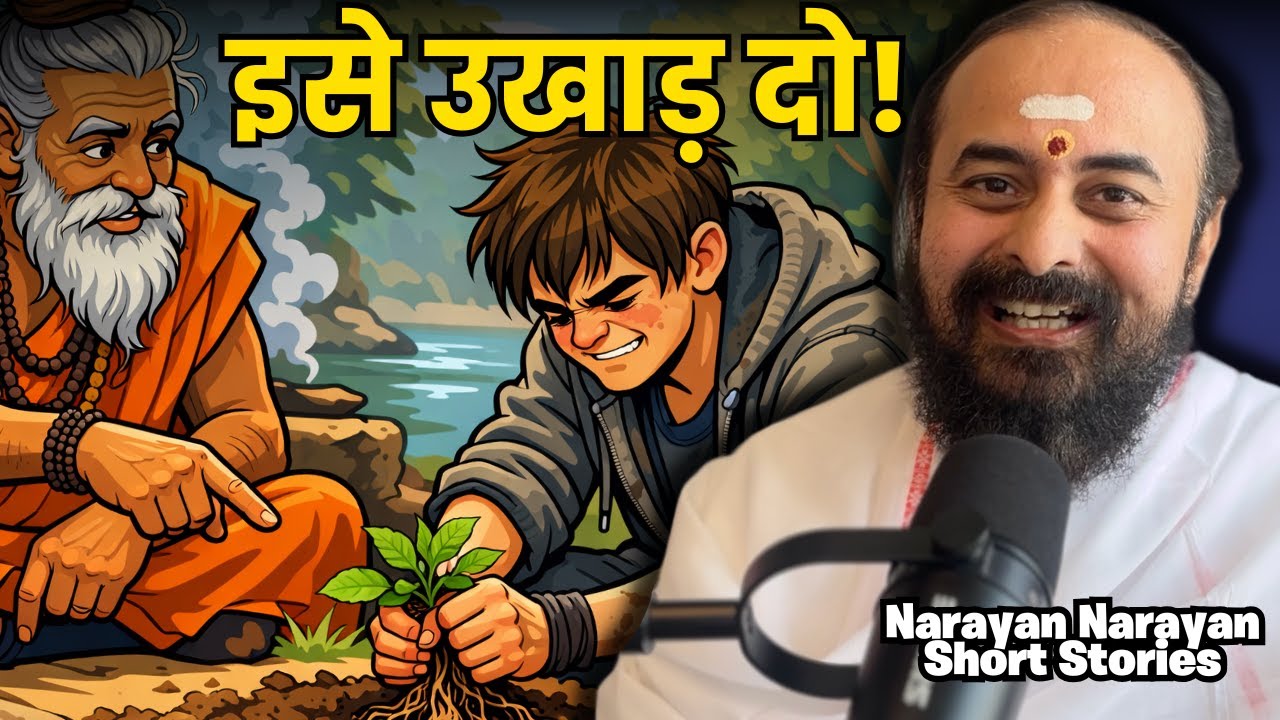
A short teaching story on habit, and why a sapling is easier to pull than a tree.
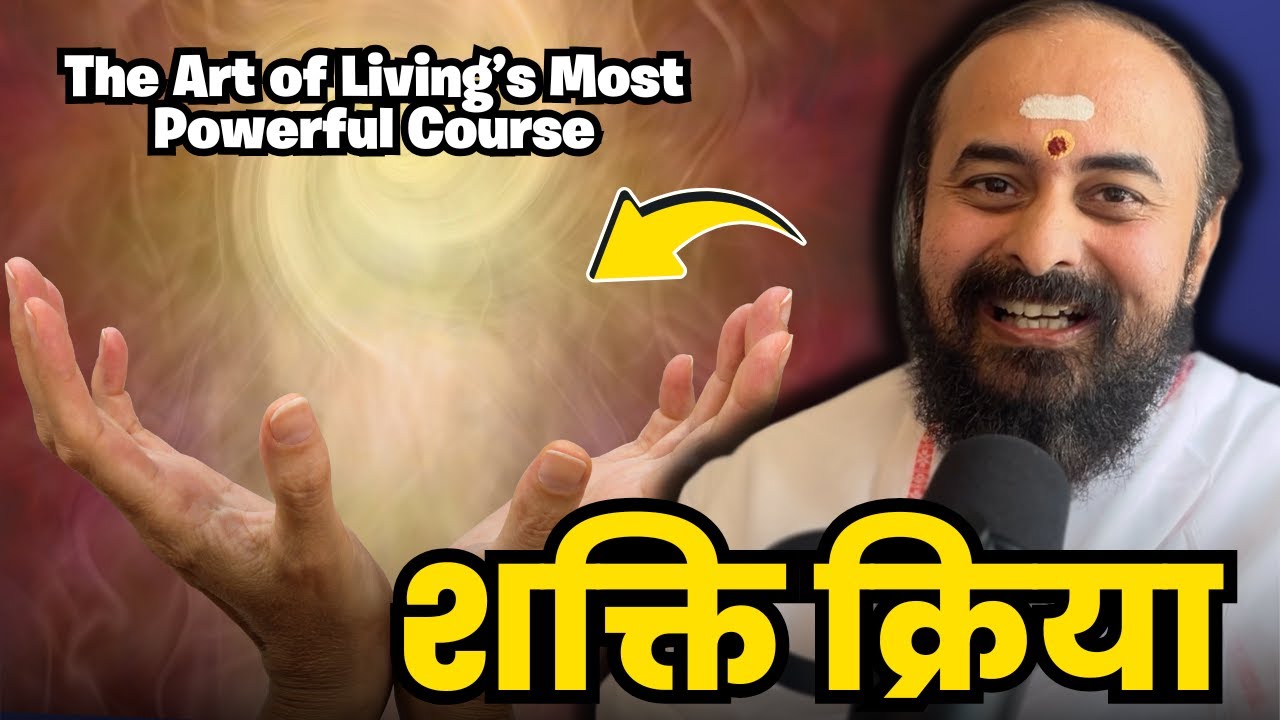
What Shakti Kriya is, who it is for, and what the practice actually asks of you.
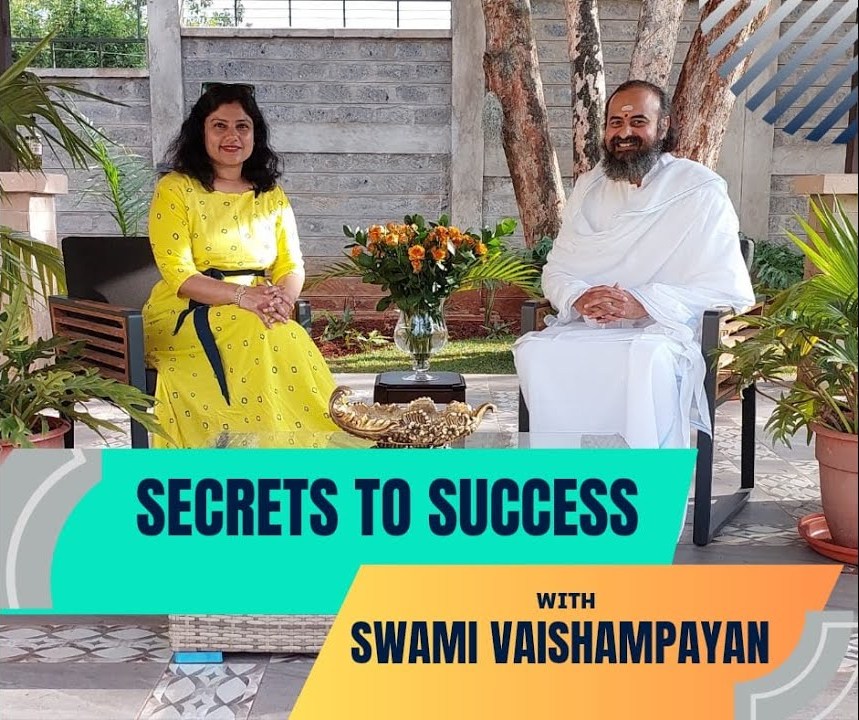
A long-form conversation on ambition, failure and the inner conditions for doing good work.
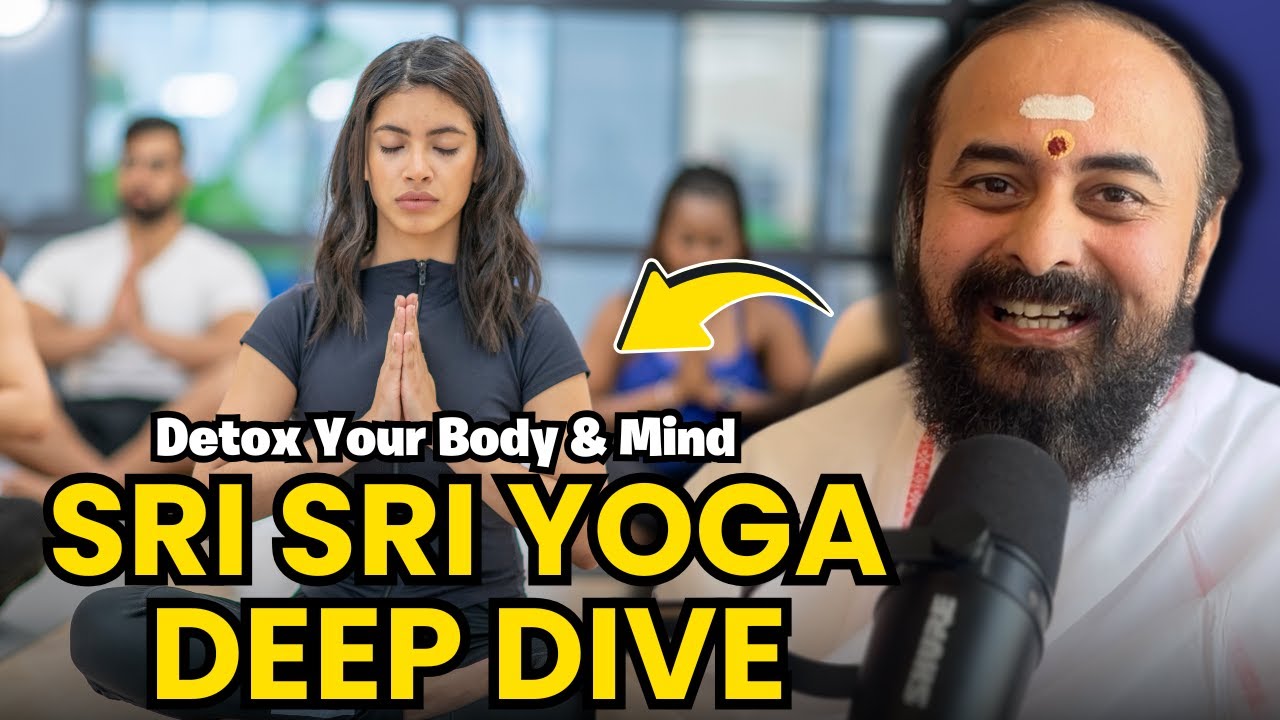
The Art of Living retreat designed to detox body and mind — what happens across the days.
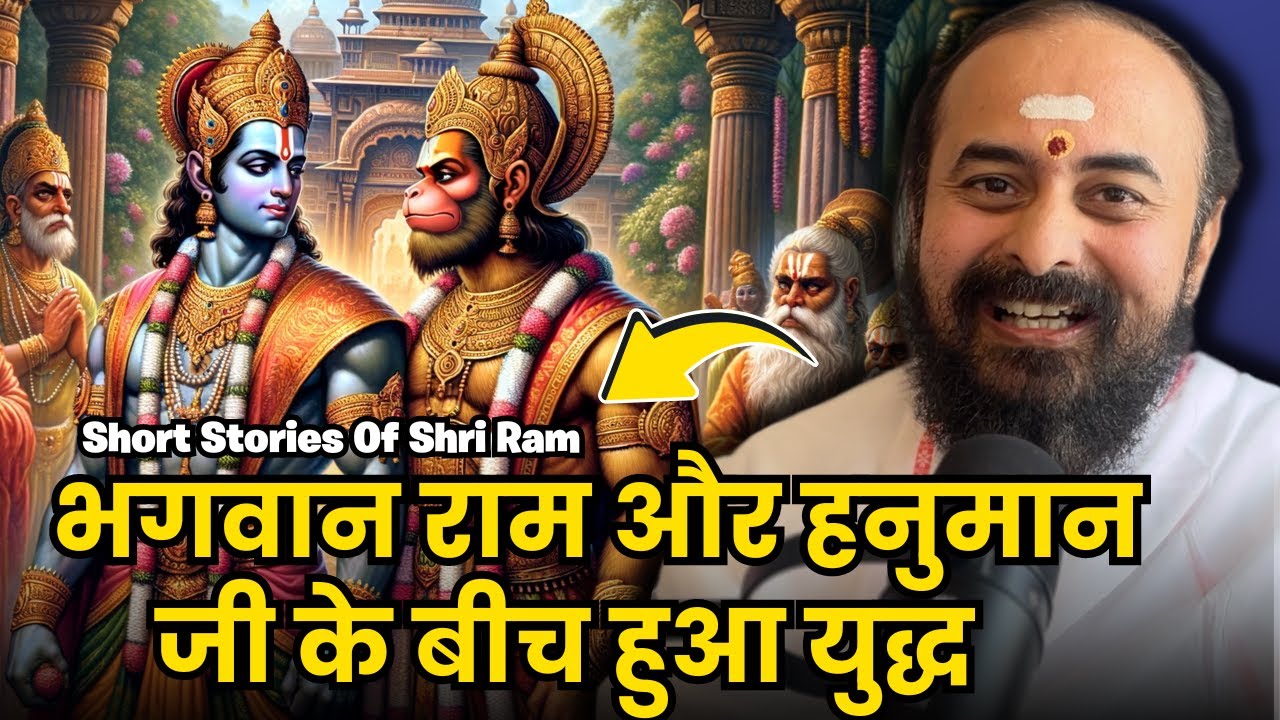
Lesser-known episodes from the Ramayana, retold for their psychological weight.
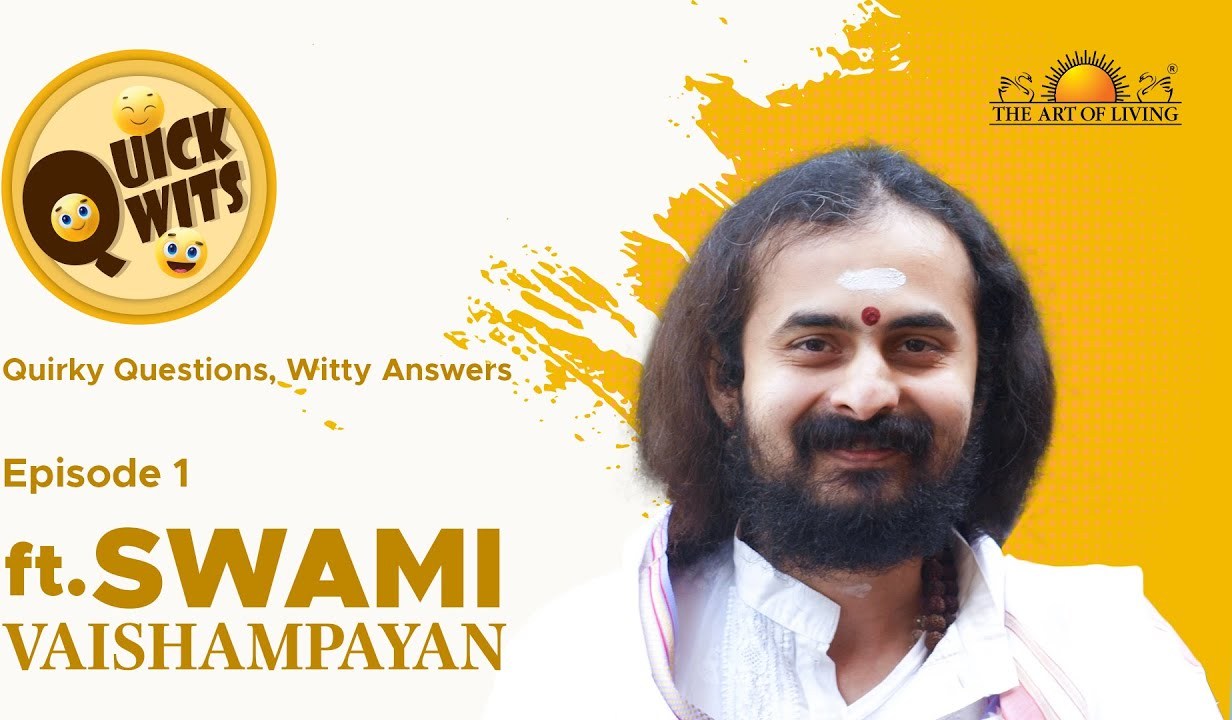
Tricky questions, witty replies — a rapid-fire round that shows the humour behind the robes.
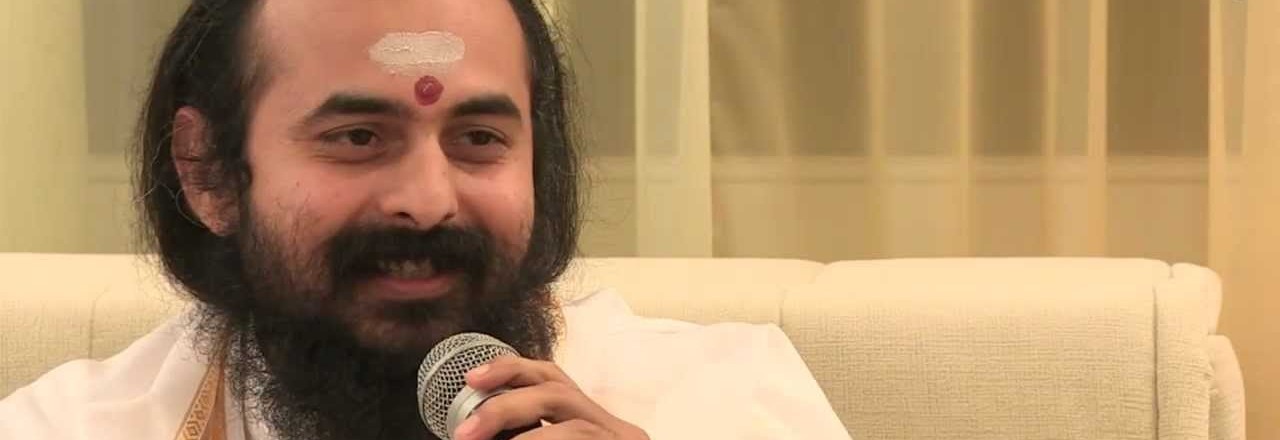
Twenty‑five years, mostly on the road.
India · Nepal · Europe · Africa06 Programs
Courses offered under The Art of Living — from a first encounter with the breath to the deep silence of advanced meditation.
The flagship course, built around Sudarshan Kriya — a rhythmic breathing practice for stress, sleep and emotional balance.
An effortless mantra-based meditation, taught personally and practised twice daily for deep rest and clarity.
A multi-day silence retreat combining deeper kriya, yoga and processes for releasing long-held impressions.
An intensive breath and energy practice for vitality, focus and inner strength.
Classical asana, pranayama and relaxation taught as a complete system rather than exercise — from weekly classes to deep-dive retreats.
Trauma-informed breath and meditation training designed for inmates, correctional staff and communities affected by violence.
Age-tuned programmes for children (8–13) and teenagers (13–18) building focus, confidence and emotional steadiness.
The YLTP model that turns village volunteers into self-reliant local leaders in health, sanitation, farming and conflict resolution.
07 The Evidence
Sudarshan Kriya — the practice at the heart of the Happiness Program — is among the more heavily studied contemplative techniques. A summary of the published literature:
Conducted on four continents and published in peer-reviewed journals.
Reported remission rates within one month in controlled studies of depressed patients.
Achieved in four to six weeks and still sustained at six months without follow-up sessions.
Significant reductions in the body's principal stress hormones alongside symptom change.
Figures as summarised by The Art of Living's research compilation on Sudarshan Kriya. These describe the practice in general, not outcomes of any individual course. Nothing here is medical advice, and none of it substitutes for professional treatment of a health condition.
08 Reach
An uncontrolled mind is the source of sorrow; when it is thoroughly understood, the sorrow vanishes like mist at sunrise.— The Yoga Vasistha
The text Swamiji has spent years reading, line by line, for anyone willing to follow.
09 Connect
Swamiji shares wisdom from the Yoga Vasistha, guided meditations, short teaching stories and news from the road with a community spread across the world.